How to Differentiate Math Fact Fluency for Every Student
When I was teaching second grade, I watched my students solve (or attempt to solve) 3-digit addition problems like 457+298. Some students could focus entirely on the regrouping strategies we learned and place value concepts, while others got completely bogged down trying to figure out basic facts like 7+8 within the problem. The students who had to stop and count on their fingers for the simple facts? They’d lose track of where they were in the regrouping process and be completely overwhelmed by a problem that they might have actually conceptually understood how to solve.
When students have to use mental energy for basic computations, they can’t focus on the higher-level thinking required for multi-step problems, place value concepts, or problem-solving strategies. But when math fact fluency is automatic? That’s when they can tackle complex and multi-step math problems with confidence.
Trying to differentiate math fact fluency for all students can sometimes feel like an impossible balancing act. I mean, we’re dealing with 20+ students who are all at different levels! Let me walk you through exactly how to differentiate math fact fluency effectively and why this systematic approach and fact fluency system has been such a game-changer in my classroom.
What Does Effective Math Fact Fluency Differentiation Look Like?
The key to successful math fact fluency instruction is creating a systematic progression that allows every student to work at their own level. When you differentiate math fact fluency for addition and subtraction within 20 effectively, you’re not just giving different worksheets- you’re providing a clear pathway that builds confidence and competence simultaneously. In my classroom, here is how I differentiate math fact fluency:
Addition Levels (17 total):
- Subitizing (the crucial foundation!)
- Adding 0 through Adding 10 (one concept at a time)
- Adding Doubles and Adding Doubles +1 (building strategic thinking)
- Mixed Addition 1, 2, and 3 (gradually increasing complexity and reviewing all of the previously covered concepts)
Subtraction Levels (15 total):
- Subtracting 0 through Subtracting 10 (building on addition knowledge)
- Subtracting Doubles (connecting to what they already know)
- Mixed Subtraction 1, 2, and 3 (putting it all together in a cumulative review)
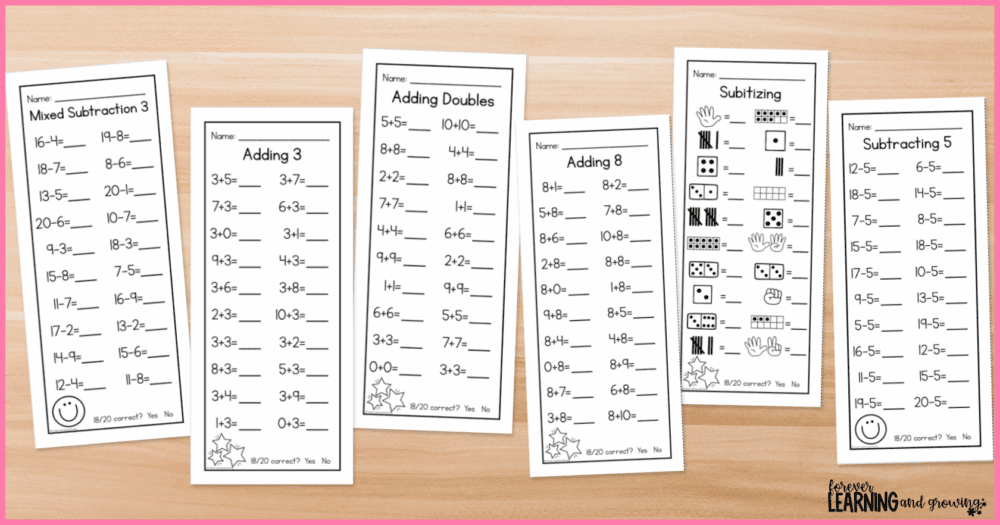
I have all students in my class start with subitizing the second week of school. Starting with subitizing is absolutely crucial because it builds that visual number sense students need for everything that follows. If students are still struggling with this concept, they’ll remain on that level and get the more practice with that concept. If a student understands subitizing and is able to “master” that concept by getting 18/20 correct on their 2 minute timed test, they can move onto the next level. By introducing one concept at a time, students build confidence before moving to more complex facts.
How Does Built-In Differentiation Work for Math Fact Fluency?
The beauty of this differentiated math fact fluency approach for addition and subtraction within 20 is that individualization happens naturally. When you differentiate math fact fluency this way, you eliminate the need for constant teacher modifications because the system adapts to each student automatically. On any given day, I might have:
- Sarah working on Adding 5
- Marcus mastering Mixed Addition 2
- Emma just starting Subtracting 1
- The whole class working on their own “just-right” level
Every student works at their perfect level and advances when they’re ready.
What are the Components of this Differentiated Math Fact Fluency System?
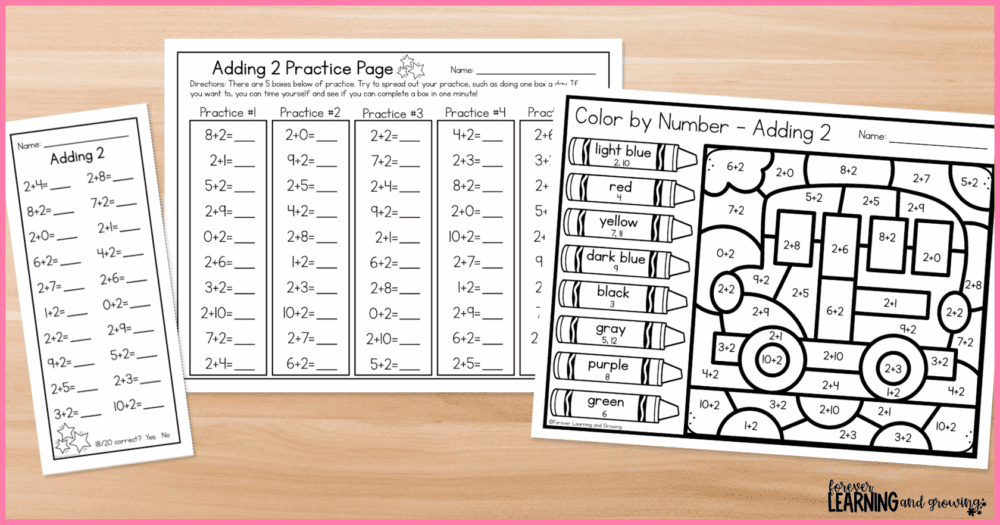
1. Timed Tests (2-minute assessments) These aren’t scary! Students take them every Friday in my class, and they need 18/20 correct to advance. The beauty is that they’re working at their own level, so they can actually feel prepared and confident. The math fact fluency timed tests are 3 to a page to save paper, and you can put the answer keys on a ring for lightning-fast checking.
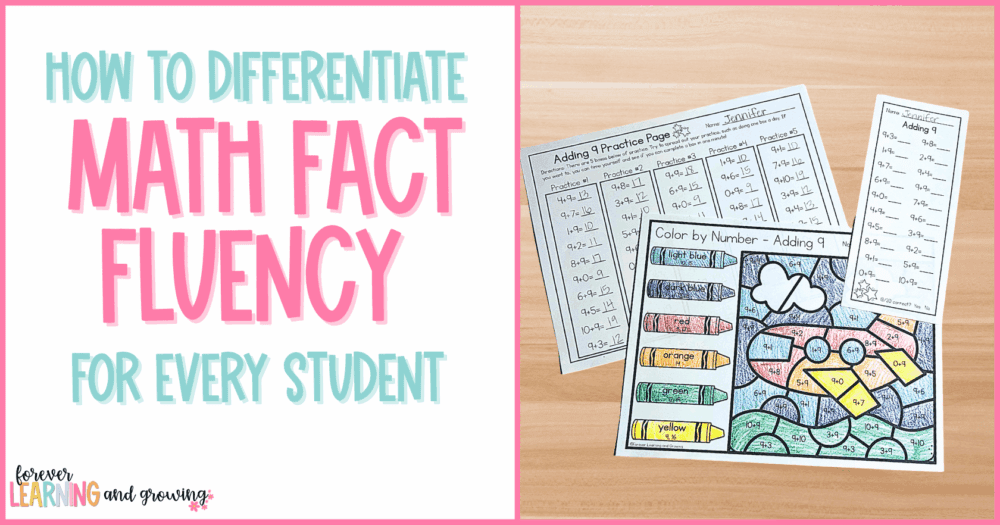
2. Weekly Practice Sheets (5 boxes per week) These are designed for daily practice throughout the week. Each practice box takes just 1-2 minutes, so it’s perfect for morning work, math centers, or those transition moments. Students can complete one box at a time without feeling overwhelmed. My students actually take this home for practice, and I let parents know it’s just a quick way to practice math facts each night.
3. Color by Code Activities This is where practice feels like play! Each level has a color by code that provides targeted practice while keeping students engaged. Pro tip: I copy the practice sheet and color by code front/back and send them home- parents love having something targeted to work on!
How Do You Track Progress in Differentiated Math Fact Fluency?
Effective progress monitoring is crucial when you differentiate math fact fluency instruction for addition and subtraction within 20. Here’s how to make student growth visible and motivating:
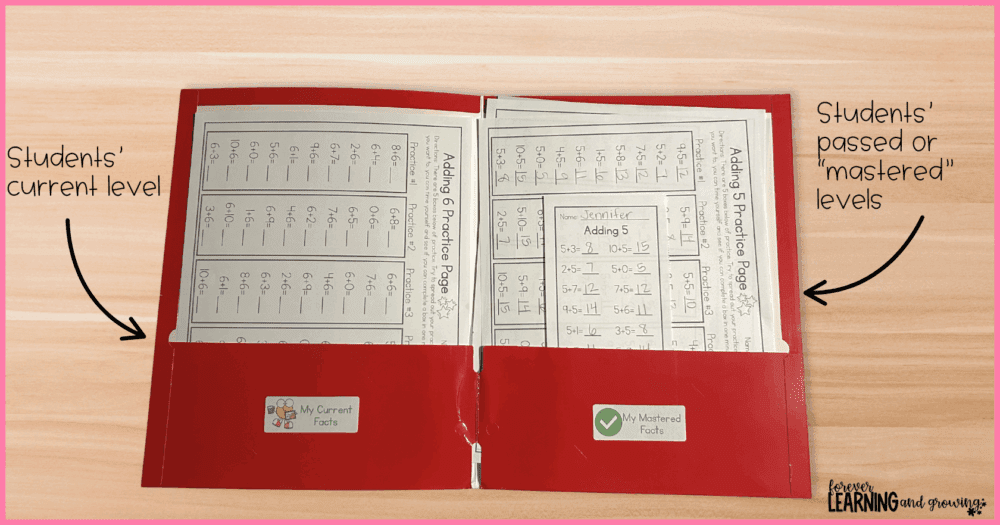
Student Tracking Pages: These are absolute magic! Students color in each level as they pass it, creating a visual representation of their growth. They can literally see their progress, which motivates them to keep going and makes them feel proud.
Teacher Tracking Pages: This helps me see at a glance where every student is and what they need next. No more guessing or trying to remember who’s working on what! When it’s time to pass out the math fact timed tests each week, I pull out this sheet to see what levels to pass out and to who. When I’m checking over the timed tests later that day, I put a check whenever a student passes a level.
What Does a Week of Differentiated Math Fact Fluency Look Like?
Here’s how to implement differentiated math fact fluency instruction in your daily routine:
Monday-Thursday: Students can work on their weekly practice sheets (one box per day) and color by code activities during centers or independent work time if you’d like them to do it at school. In my classroom, fact fluency folders are sent home every Friday after the timed test (so students actually have a full week to work on them).
Friday: Timed test day! In my classroom, this is the day they bring their fact fluency folders back to school. Students take their 2-minute assessment on their level. Score 18/20? They advance to the next level and get new materials. Need more practice? They continue at their current level with targeted support (and can get another copy of the materials on their level).
The whole system is self-managing. Students know exactly what to do each week, and I have clear data on everyone’s progress.
What Results Can You Expect from Differentiated Math Fact Fluency?
When you successfully differentiate math fact fluency instruction for addition and subtraction within 20, you’ll see transformative changes in your classroom:
- Students actually getting excited about “timed test day”
- Parents understanding exactly what their child is working on
- Clear data that helps you group students and plan instruction
- Less stress for you because everything is ready to go
- More confident students who can focus on higher-level thinking
Want to Try This Differentiated Fact Fluency System in Your Own Classroom?
Everything I’ve described in this post is available in one easy-to-use resource: Math Fact Fluency Addition & Subtraction Within 20 Timed Tests & Practice Sheets. It includes all 32 scaffolded levels, teacher and student tracking pages, timed tests, weekly practice pages, color by code activities, and fact fluency folder labels—all ready to print and go.
How Can You Further Incorporate Differentiated Math Fact Fluency into Math Centers?
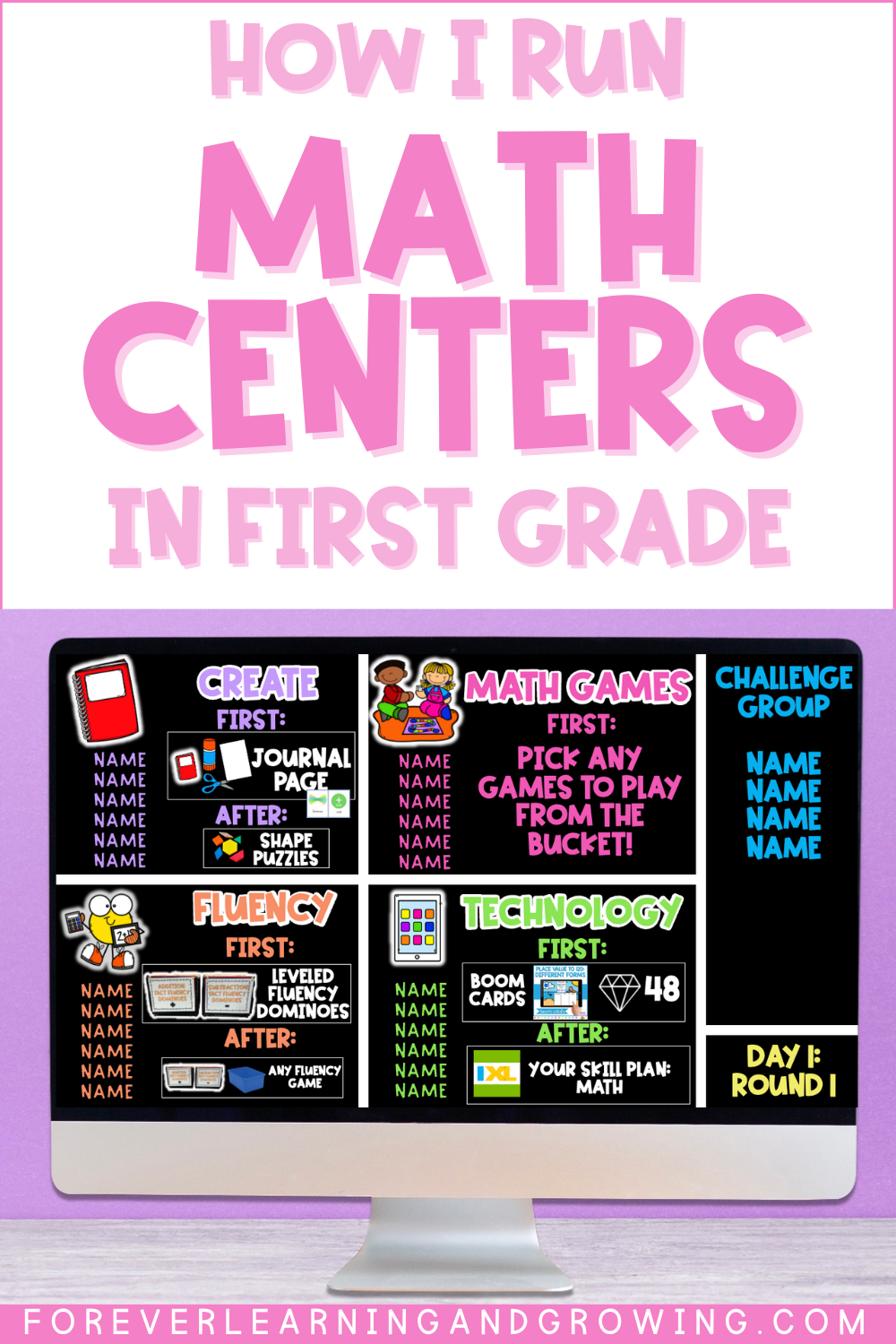
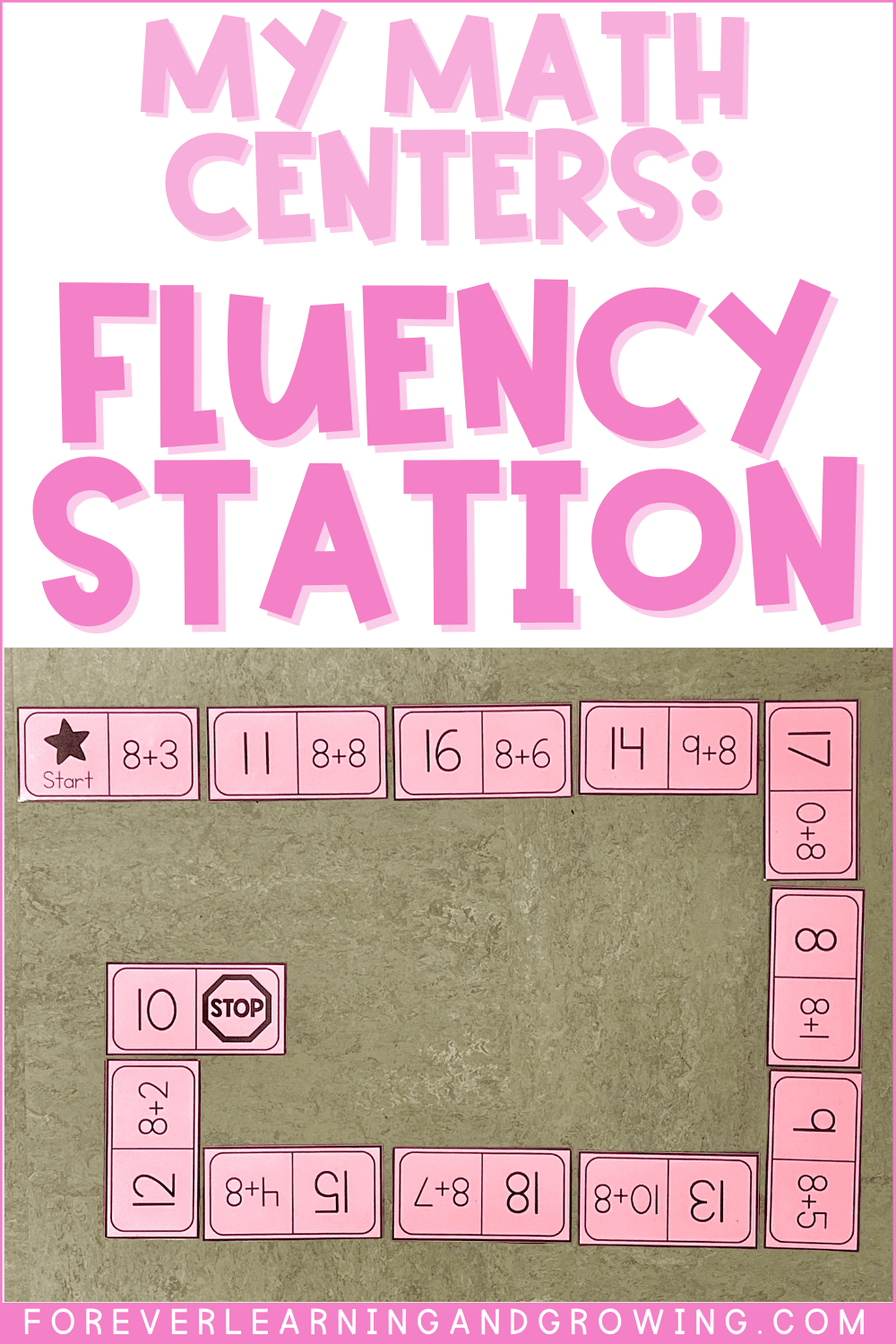
I have a fact fluency station in my classroom that students participate in multiple times a week. Here’s where it gets really exciting- I’ve created companion resources that use the exact same 32 levels as this system! If you’re looking to add more variety to your fact fluency practice, these work seamlessly together:
Addition and Subtraction Boom Cards Bundle: Digital practice that mirrors the same progression! These self-checking cards are perfect for technology time or independent practice. Students can work on their specific level digitally, then take their paper-based assessment at the end of the week.
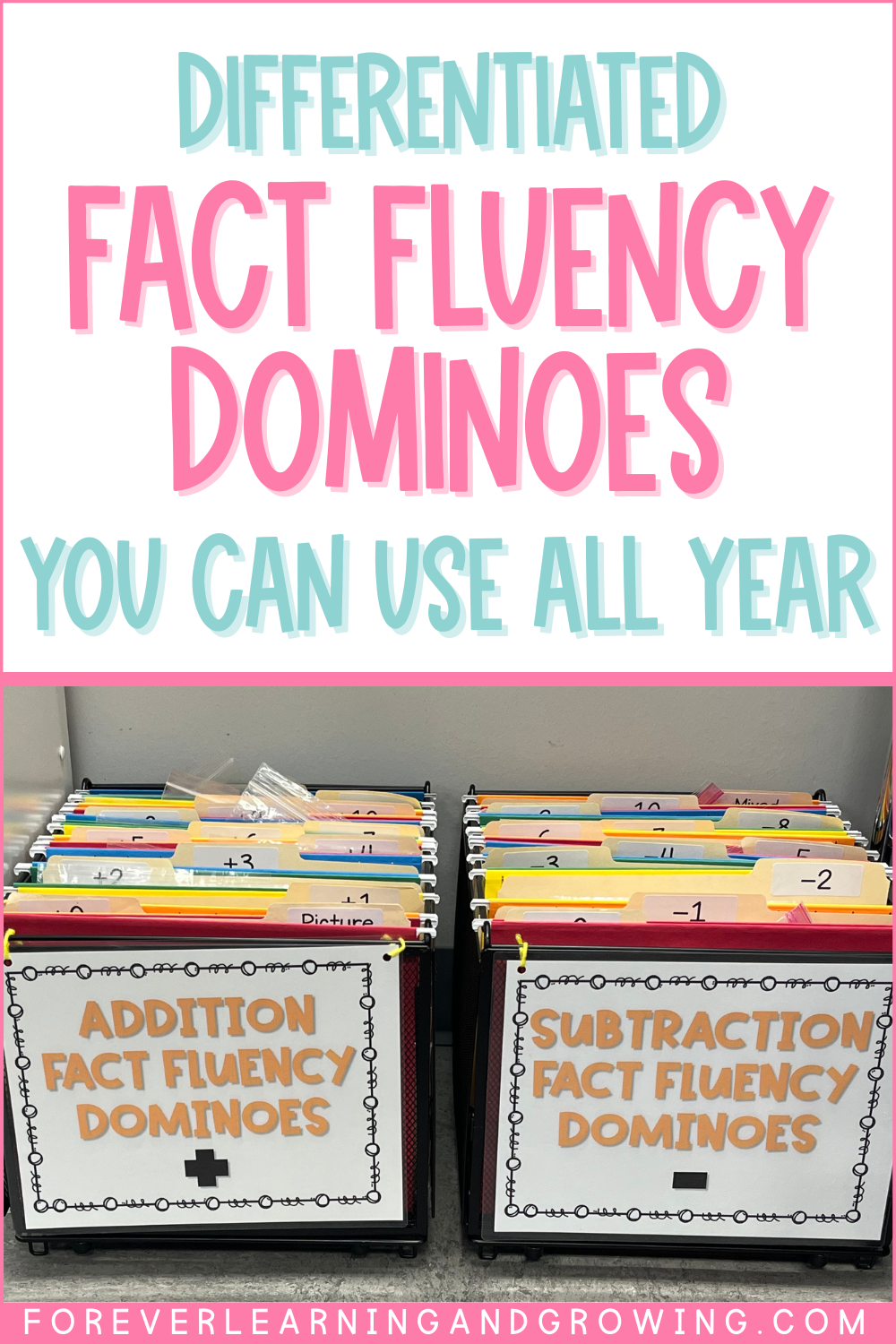
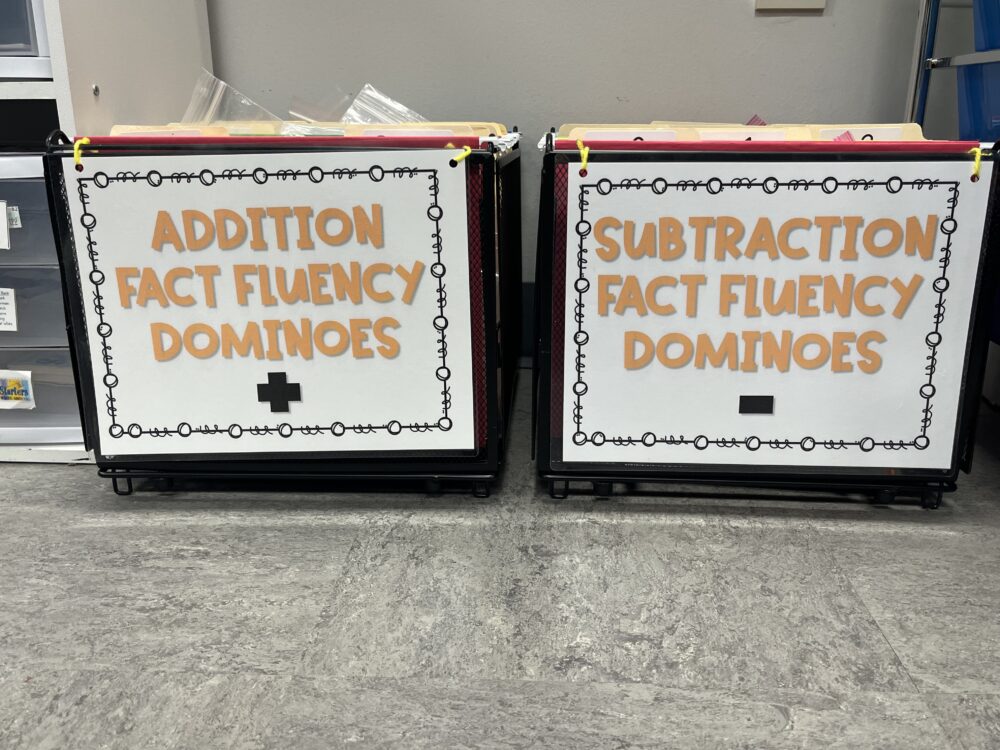
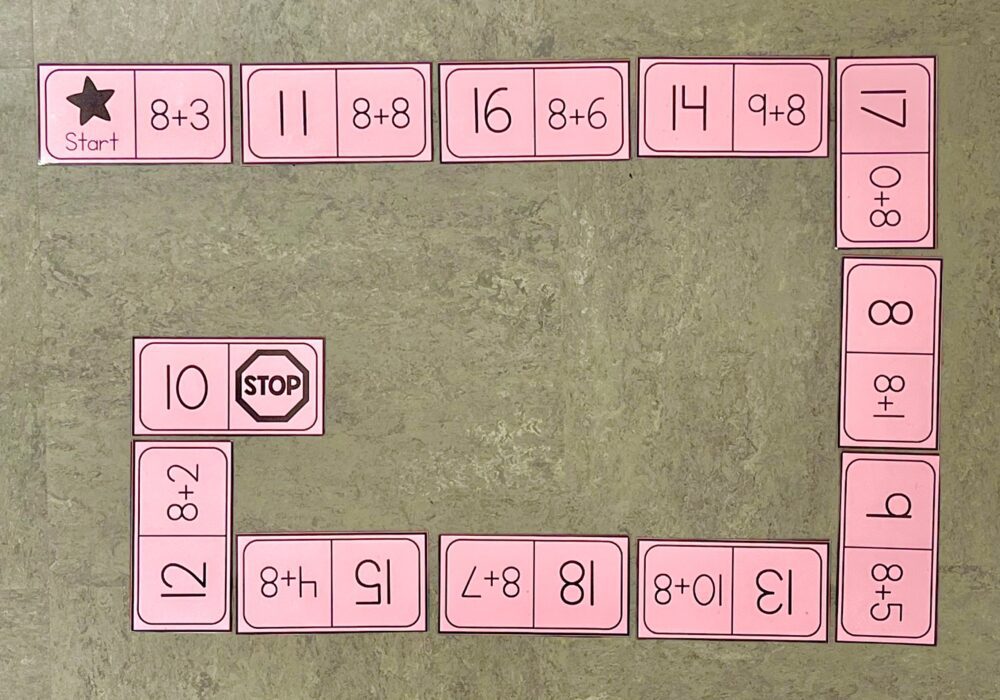
Fact Fluency Dominoes Bundle: Perfect for hands-on learners! Students can practice their current level with these engaging domino games during centers, then show their mastery on the timed tests. It’s like having tactile reinforcement for every level. [You can read more about them here]
FAQ for Differentiated Math Fact Fluency
Q: How long does it take students to move through the fact fluency levels?
It varies! Some students may progress to a new level weekly, while others need more time at each level. The system allows for personalized pacing so every learner builds mastery without pressure. However, if a student is consistently progressing levels each week, they might work on the addition levels in the fall semester and subtraction levels in the spring.
Q: What happens if a student gets stuck on a level?
A: That’s the beauty of scaffolded practice. Students continue working at their level with engaging practice activities like color by code, centers, or Boom Cards—until they’re truly ready to move on. At this point, you might also work more intensively with a student in a small group setting. (This also would be great data if a student is going through the referral process.)
Q: How do you manage multiple fact fluency levels in one classroom?
A: The system is self-running. With clear routines, students know their level and materials. Timed tests and practice pages are easy to distribute and manage, even with 20+ students. I organize all the sheets in a crate with file folders for each level. With a teacher tracking sheet, it’s easy to keep up with and remember what levels different students are on.
Q: Can I send this home for parents to support fact fluency?
A: Yes! That’s what I do in my classroom! The system includes color-by-code and practice sheets that are parent-friendly and easy to explain. It gives families something concrete to work on together.
Key Takeaways for Differentiated Math Fact Fluency Success
- A 32-level scaffolded system builds math fact fluency through logical progression.
- Each level includes three types of practice: timed tests, practice sheets, and color by code pages.
- Differentiation happens naturally—students work at their own level and progress at their own pace.
- Built-in progress tracking makes it easy to monitor growth and adjust instruction.
- The system works across settings: at school or for extra practice at home
- Companion resources (fact fluency dominoes and Boom Cards) provide hands-on and digital reinforcement.
Ready to implement this differentiated math fact fluency system in your classroom? Get the complete system here!
The investment in getting started with differentiated math fact fluency right now pays dividends all year long. When students have that solid foundation, they can tackle word problems, multi-step procedures, and higher-level math concepts with confidence.
Using a systematic approach to fact fluency has been a total game-changer in my classroom. Instead of wondering if students are progressing or scrambling for practice materials, there is a clear roadmap that allows all students to be successful at their own pace.

Want to save this pin for later?