6 Picture Books to Teach Making Inferences
(This post contains affiliate links. If you click & purchase, I may receive a small commission at no extra cost to you. I only recommend products & services that I personally use or find value in.)

As a first grade teacher, one of my absolute favorite reading comprehension skills to teach is making inferences. I love opening students’ eyes to the concept of an inference and helping them to see they make inferences every day! Throughout our introductory unit on making inferences, we analyze lots of images to make inferences and read lots of picture books. Today I’m sharing with you 6 picture books to teach making inferences that I use each year in my classroom!
6 Picture Books to Teach Making Inferences
During the read-alouds, I often model how to make an inference and show students my thinking. I use the sentence stem “I infer _____ because ______” and have my students use it any time they practice making inferences as well.
1. Animals Should Definitely Not Wear Clothing by Judi Barrett

I love to use this book to introduce making inferences! When reading this book, I don’t show students the pictures (until after they’ve made the appropriate inference on each page). This really challenges students to think about what they know about the animal on the page (activating background knowledge) and using the clues in the text of why clothes wouldn’t make sense for that animal to make an inference.
For example, one page says “because a snake would lose it”. Without showing students the picture, they raise their hand and make inferences using our sentence stem, such as “I infer a snake would lose its clothes because it would slither through them all since they don’t have arms or legs”. This book is an absolute hit every year, and I’ve even had students wanting to come up with their own animals and reasons after (hello, enrichment project!)
2. Never Take a Shark to the Dentist (and Other Things Not to Do) by Judi Barrett
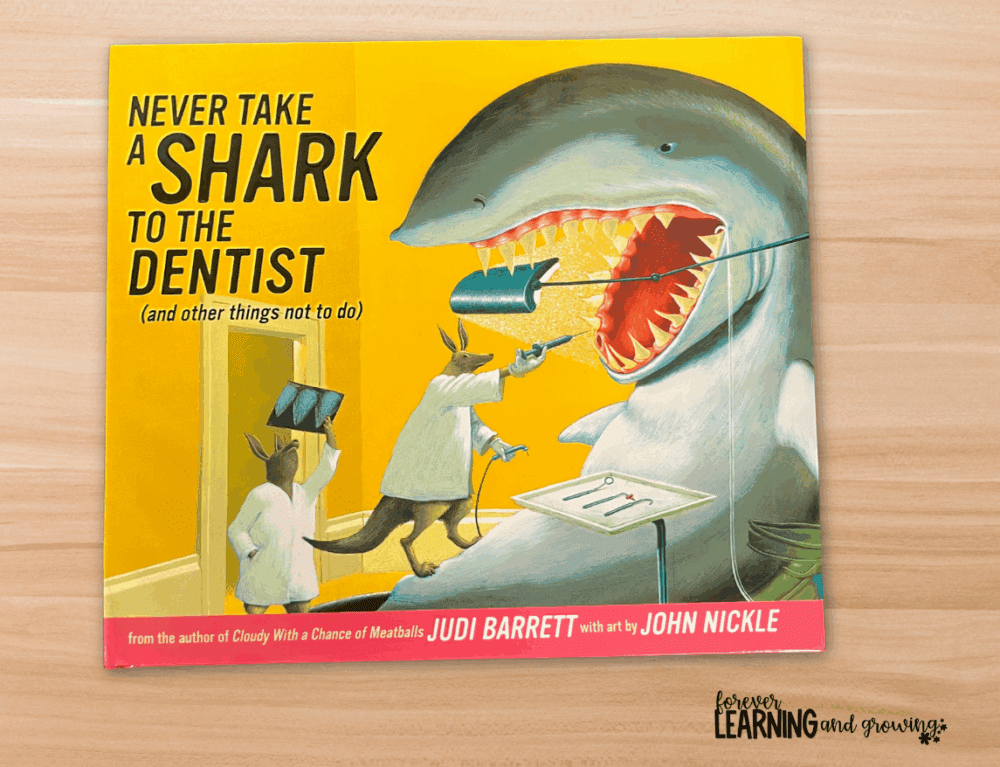
This book is very similar to Animals Should Definitely Not Wear Clothing but instead it focuses on situations with animals you might not want to be in. I follow the same process with this book of not showing my students the pictures and having them rely on their background knowledge of the animals and situations to make an inference.

Since not all students (especially second language learners) may be familiar with each animal, I created an anchor chart highlighting a few that includes a visual of the animal to help those who may be lacking that background knowledge. Throughout most of the book, we practice making inferences aloud; however, when we get to a page with an animal on the anchor chart, students make their inferences on a sticky note and then we hang them all up to discuss together.
3. Piggie Pie by Margie Palatini

Okay, this book is one of my favorites I read all year long. It’s that good. We practice sequencing the events in this book as well as making inferences. I love making this read-aloud interactive by having students grab their hair and stomp their feet when Gritch the Witch does it in the book. There’s quite a bit of repetition in the book and students love to join in as they catch on to that.
This book has some pages with no words but lots going on in the pictures and I love saying “oh should we skip this page since there’s no pictures?” and students shout “NO!! Look at what’s happening!” It’s a great teaching point on how we can make inferences from the pictures, too!
The ending of the book is perfect for this, too, because while the characters might be saying one thing, students can infer from the pictures that they really mean something else.
4. Two Bad Ants by Chris Van Allsburg

This is an older book but WOW is it a great story for helping students to make inferences! In this story, the queen ant gets a taste of a crystal and determines it’s the most delicious thing she’s had and nothing would make her happier than to have more. The ants, wanting to please the queen, set off through the forest (actually grass) and then reach a tall mountain they must climb (actually a house), and so on.
Students catch on quickly that since the ants are so small, the grass is taller to them and seems like a forest. They realize due to the ants’ size and them encountering unfamiliar places and items, the ants often misunderstand what is actually happening. Students love using clues from the pictures and text to make inferences about what is actually happening or where the ants actually are each time. It’s a longer read aloud, but a really fun one at that!
5. The Stray Dog by Marc Simont

This is another story that students can really rely on the pictures to help them make inferences. We practice making inferences about how the characters are feeling based on their facial expressions and actions. On one page I even have my students infer what time of day it is based on the sky!
After the kids in the story have helped save the stray dog, there’s a page with no words on it. There’s several inferences students can make just based off the pictures (how the kids feel, how the dog feels, how the dog catcher feels, and students even infer that the boy’s pants are too loose because he is using his belt as a makeshift collar). It’s a sweet book that your students will enjoy making inferences with.
6. Don’t Let the Pigeon Drive the Bus! by Mo Willems
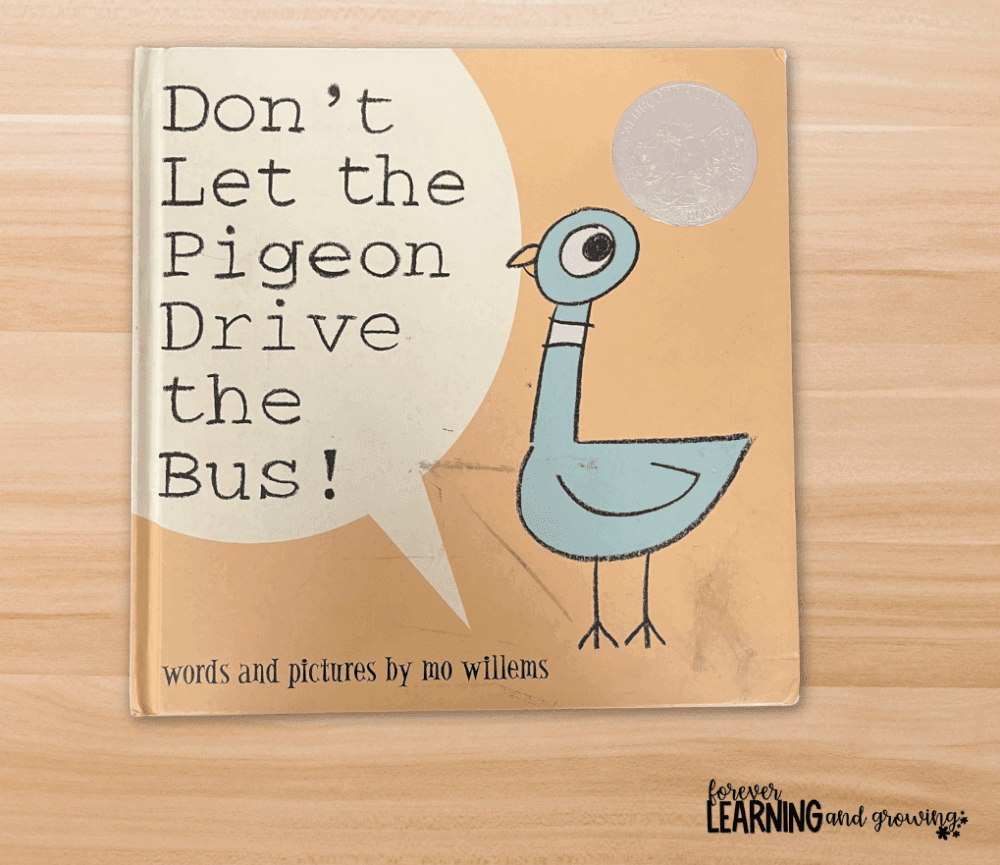
Oh, the pigeon! He is such a likable character, but so emotional! This makes him a perfect character to make inferences about. While I use this book each year, you could utilize probably any of the pigeon books. I pick a few places in the books we will stop to make inferences, really pages where there’s no words but just a picture of the pigeon. We practice inferring what the pigeon is thinking based on clues from the story.
When reading the book, you could give students some sticky notes on a clipboard to write on. I start by modeling out loud what I imagine the pigeon is thinking on a page based off his facial expressions and body language. Then I have students practice out loud on another page sharing what they infer the pigeon is thinking. Later on I stop at a few other spots and let students write down their inferences on a sticky note before sharing with the class.
Well there you have it. These are 6 picture books to teach making inferences that I use in my classroom every year! While you can (and should) teach making inferences with any book all throughout the year, these are a few of my favorite ones when we are specifically working on this reading skill.
Hopefully this post has given you an idea of a book or two you could use in your classroom for teaching inferences. Feel free to reach out if you have any questions about how I use these books and happy teaching!!